
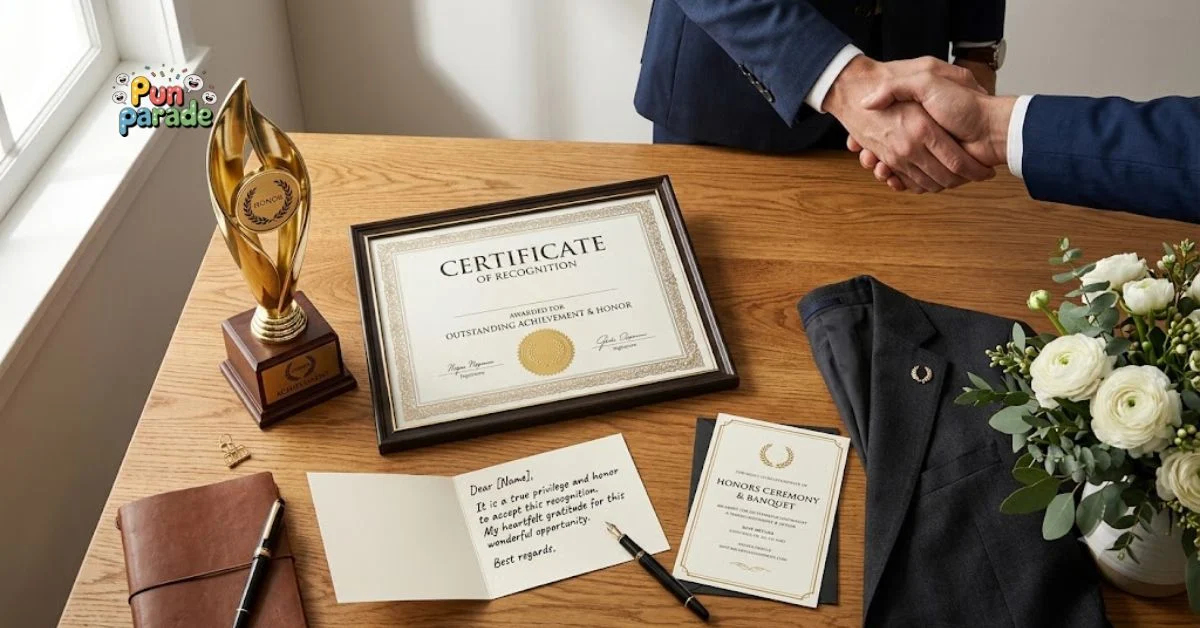
Few expressions carry as much sincerity and respect as “I am honored.” Whether spoken during an award acceptance speech, written in a thank-you message, or shared on social media after receiving an opportunity, these three words communicate genuine appreciation and humility.
People search for “I am honored meaning” because they want to know whether it’s formal, emotional, or appropriate for different situations. Others wonder whether they should write “I am honored” or “I am honoured,” look for better alternatives, or simply want examples they can confidently use.
In everyday communication, tone matters just as much as vocabulary. Saying “I am honored” can strengthen relationships, show gratitude, and express respect without sounding overly dramatic—when used in the right context.
In this guide, you’ll learn exactly what the phrase means, where it comes from, how people use it in real conversations, and how to respond naturally when someone says it.
I Am Honored – Quick Meaning
“I am honored” means “I feel deeply grateful, respected, and privileged because someone has shown me recognition, trust, or appreciation.”
It expresses humility rather than pride.
Simple definition
- Feeling privileged by an opportunity.
- Showing sincere gratitude.
- Expressing respect for someone’s trust or recognition.
- A polite way to accept praise, responsibility, or an invitation.
Examples
“I am honored to receive this award.”
“I am honored to speak at today’s event.”
“I am honored that you thought of me.”
The phrase usually carries warmth, respect, and appreciation rather than excitement alone.
Origin & Background
The word “honored” comes from the Latin word honor, meaning respect, dignity, or esteem. Over centuries, English speakers began using “honored” to describe the feeling of receiving respect rather than simply giving it.
Historically, the expression appeared in formal speeches, ceremonies, royal events, military traditions, and academic settings. It signaled humility before an important responsibility or recognition.
As communication became more informal, the phrase gradually entered everyday conversations.
Today, people commonly say:
- I am honored to join this team.
- I am honored to be invited.
- I am honored to help.
- I am honored to meet you.
Social Media Influence
Platforms like LinkedIn, Instagram, and X have made the phrase even more popular.
People often use it when announcing:
- New jobs
- Speaking engagements
- Awards
- Graduations
- Volunteer opportunities
- Collaborations
Although some posts use it sincerely, audiences can usually tell whether the gratitude feels authentic or simply promotional. Genuine stories and personal reflections tend to resonate far more than generic announcements.
Related Posts: Thank You for Your Continued Support: Meaning, Best Uses, Examples, and Professional Responses
Real-Life Conversations
Person A:
I wanted to ask if you’d be the best man at my wedding.
Person B:
I am honored. Thank you for trusting me with such an important role.
Instagram DM
Person A:
We’d love to feature your artwork in our community showcase.
Person B:
Wow, I’m truly honored. I’d be happy to be part of it.
TikTok Comments
Creator:
Your story inspired me to start my own business.
Reply:
I’m honored to hear that. Thank you for sharing your journey.
Text Message
Person A:
Grandpa wants you to give a speech at the family reunion.
Person B:
I’d be honored. Please tell him I’ll gladly do it.
Professional Email
Manager:
We’d like you to lead the upcoming project.
Employee:
Thank you for the opportunity. I am honored to lead the team and will do my best.
These conversations show that the phrase works naturally in both formal and personal situations.
Emotional & Psychological Meaning
Saying “I am honored” communicates much more than simple gratitude.
It tells the other person that their trust, recognition, or invitation has emotional value.
Psychologically, the phrase reflects three important feelings:
Appreciation
The speaker recognizes that the opportunity wasn’t guaranteed.
Humility
Instead of focusing on personal achievement, the speaker acknowledges others’ confidence and support.
Responsibility
People often say “I am honored” when they understand the importance of the role they’ve been given.
A Real-Life Scenario
Imagine being invited to speak at your former school’s graduation ceremony.
Rather than saying, “Sure, I’ll do it,” you respond, “I am honored to be invited back.”
That small difference communicates respect for the institution, appreciation for the invitation, and recognition of the moment’s significance. It also creates a warmer connection with the audience before you’ve even begun speaking.
Usage in Different Contexts
The phrase “I am honored” is versatile, but its tone changes depending on the situation. Understanding the context helps you sound sincere rather than overly formal.
Social Media
People often use “I am honored” to announce achievements, collaborations, or milestones. It shows gratitude while acknowledging the people or organizations involved.
Examples:
- “I am honored to be featured in this month’s magazine.”
- “I’m honored to join this amazing community.”
- “I am honored to receive this recognition.”
A short personal story or thank-you message makes the post feel more authentic than simply announcing the achievement.
Friends & Relationships
Among friends and family, the phrase expresses heartfelt appreciation for meaningful moments.
Examples:
- “I’m honored to be your best friend.”
- “I feel honored that you trusted me with your secret.”
- “I’d be honored to stand beside you on your wedding day.”
In close relationships, adding a personal touch makes the expression even more genuine.
Work & Professional Settings
In professional communication, “I am honored” is commonly used when accepting responsibilities, awards, invitations, or promotions.
Examples:
- “I am honored to accept this position.”
- “I am honored to represent our company at the conference.”
- “I am honored to receive this award.”
The phrase projects humility, professionalism, and appreciation without sounding overly emotional.
Casual vs. Serious Tone
In everyday conversations, people often shorten the phrase.
Casual:
- “I’d be honored!”
- “I’m honored.”
- “That’s an honor.”
Serious:
- “I am truly honored by your confidence in me.”
- “I am deeply honored to receive this recognition.”
- “It is an honor to be part of this event.”
The more formal the occasion, the more complete and polished the wording tends to be.
See Also: LGTM Meaning: What It Really Means in Chat, GitHub, Software, and Everyday Conversations
When NOT to Use It
Although “I am honored” is positive and respectful, it isn’t suitable for every situation.
During Minor Everyday Favors
If someone hands you a pen or opens a door, saying “I am honored” sounds exaggerated.
A simple “Thank you” is more natural.
When You Don’t Mean It
Using the phrase without genuine appreciation can make you sound insincere.
People often recognize forced gratitude, especially in speeches or social media posts.
In Sarcastic Situations
Some people jokingly say:
“Oh yes, I’m honored…”
Without the right tone, this can sound rude or dismissive.
During Difficult Conversations
If someone is discussing grief, disappointment, or conflict, the phrase usually doesn’t fit.
Instead, choose words that show empathy and understanding.
Cultural Sensitivity
In many cultures, humility is highly valued, making “I am honored” an excellent choice.
However, using it repeatedly for small achievements may seem overly dramatic or performative.
Matching the importance of the moment is key.
Common Misunderstandings
Even though the phrase is simple, people sometimes misunderstand its meaning.
Mistaking It for Boasting
Some assume that saying “I am honored” draws attention to personal success.
In reality, it does the opposite.
It shifts the focus toward gratitude and appreciation rather than self-praise.
Thinking It’s Only Formal
While the phrase is common in professional speeches, it’s equally natural in personal moments.
You can sincerely say:
- “I’m honored you invited me.”
- “I’d be honored to help.”
Both sound warm and conversational.
Confusing Honor with Happiness
Being honored and being happy aren’t exactly the same.
You can feel honored even if you’re nervous or emotional.
For example:
“I’m honored to give this speech.”
The speaker may also feel anxious, excited, or humbled at the same time.
Using It Too Frequently
Repeating the phrase in every message or post can reduce its impact.
Save it for moments that truly deserve special appreciation.
Comparison Table
| Expression | Meaning | Tone | Best Used When |
|---|---|---|---|
| I am honored | Feeling privileged and respected | Formal, sincere | Awards, invitations, recognition |
| I am grateful | Thankful for kindness or help | Warm | Everyday appreciation |
| I appreciate it | Recognizing someone’s effort | Casual to professional | Favors and support |
| I’m thankful | Expressing gratitude | Friendly | Personal relationships |
| It’s my pleasure | Happy to help | Polite | Customer service and hospitality |
| I’m humbled | Feeling modest despite praise | Emotional | Major achievements |
| I’m proud | Feeling satisfaction in achievement | Positive | Personal accomplishments |
| I feel privileged | Recognizing a special opportunity | Professional | Leadership or prestigious roles |
| I’m lucky | Feeling fortunate | Casual | Informal conversations |
| I’m disappointed (Opposite) | Feeling let down | Negative | Unmet expectations |
Key Insight
While “I am honored,” “I am grateful,” and “I’m humbled” all express appreciation, they aren’t identical. “I am honored” specifically emphasizes the respect and privilege you feel because someone has placed their trust, recognition, or confidence in you. That unique sense of dignity is what makes the phrase especially powerful during meaningful occasions.
Variations / Types of “I Am Honored”
Here are some common variations you can use depending on the situation.
1. I Am Truly Honored
Adds extra sincerity and heartfelt appreciation.
Example: I am truly honored to receive this award.
2. I Am Deeply Honored
Expresses profound respect and gratitude for an important occasion.
Example: I am deeply honored to speak before such an inspiring audience.
3. I Feel Honored
Slightly more personal and conversational.
Example: I feel honored that you trusted me with this project.
4. I’d Be Honored
Used when accepting an invitation or future opportunity.
Example: I’d be honored to attend your wedding.
5. It Is an Honor
Focuses on the opportunity rather than the speaker.
Example: It is an honor to serve our community.
6. I Am Honored to Be Here
A common opening line for speeches, ceremonies, and public events.
Example: I am honored to be here with all of you today.
7. I Am Honored to Join the Team
Frequently used in workplace announcements and LinkedIn posts.
Example: I am honored to join such a talented organization.
8. I Am Honored to Accept
Used when receiving awards, leadership positions, or official responsibilities.
Example: I am honored to accept this recognition on behalf of our team.
9. It Would Be an Honor
A respectful way to express willingness before something happens.
Example: It would be an honor to mentor your students.
10. I’m Honored Beyond Words
Used for deeply emotional or life-changing moments.
Example: I’m honored beyond words to receive this lifetime achievement award.
Read More: Tho Meaning in Chat: What It Really Means in Texts, Social Media & Everyday Conversations
How to Respond When Someone Says “I Am Honored”
When someone tells you they’re honored, your response should acknowledge their gratitude and make them feel valued.
Casual Replies
- You’re welcome!
- Glad you could join us.
- You deserve it.
- Happy to have you here.
- We’re excited to have you.
Funny Replies
- Don’t get too famous now!
- The honor is actually ours.
- Save me a seat at the celebration!
- You’re making us blush.
- Now let’s make it memorable!
Mature Replies
- Thank you for accepting the opportunity.
- Your contribution means a great deal.
- We appreciate your kindness and professionalism.
- It’s wonderful to have you with us.
- We’re grateful you said yes.
Respectful Replies
- The honor is ours.
- Thank you for being part of this special occasion.
- We sincerely appreciate your presence.
- Your words mean a lot to us.
- We’re privileged to have you with us.
Regional & Cultural Usage
Although “I am honored” has the same core meaning around the world, people use it differently depending on culture and communication style.
Western Culture
In countries such as the United States, Canada, and the United Kingdom, the phrase is commonly heard during award ceremonies, business events, graduations, and public speeches.
It communicates humility while confidently accepting recognition.
Asian Culture
Many Asian cultures place a strong emphasis on respect, modesty, and gratitude.
As a result, expressions similar to “I am honored” are frequently used when accepting invitations, promotions, or compliments. Showing humility is often considered a sign of good character.
Middle Eastern Culture
Respect and hospitality play a central role in communication across many Middle Eastern societies.
Saying “I am honored” when welcomed as a guest or offered an important role reflects appreciation and mutual respect.
Global Internet Usage
On social media, the phrase often appears in posts about:
- New jobs
- Scholarships
- Awards
- Volunteer work
- Speaking engagements
- Community recognition
People generally appreciate the phrase most when it is accompanied by a genuine story instead of simply announcing an achievement.
Gen Z vs. Millennials
Gen Z
Gen Z often prefers shorter, more conversational expressions such as:
- So honored!
- Truly honored.
- What an honor!
- Feeling honored today.
These versions fit naturally into captions and stories.
Millennials
Millennials are more likely to use complete sentences, especially on professional platforms.
Examples include:
- I am honored to be part of this journey.
- I am honored to work alongside such talented people.
Both generations value authenticity, but Gen Z usually favors brevity while Millennials often include more context.
Is It Safe for Kids?
Yes. “I am honored” is completely appropriate for children and teenagers.
It teaches gratitude, respect, humility, and appreciation for opportunities.
Children might use it when:
- Receiving a school award.
- Being chosen as class captain.
- Joining a sports team.
- Thanking a teacher or coach.
- Participating in a special event.
Parents and educators can encourage its use as a polite and respectful alternative to simply saying, “I’m happy.”
Frequently Asked Questions
What does “I am honored” mean?
It means you feel respected, grateful, and privileged because someone has recognized, trusted, or appreciated you.
Is “I am honored” formal?
Yes, but it also works in personal conversations when expressing sincere appreciation for meaningful moments.
Is it “I am honored” or “I am honoured”?
Both are correct. “Honored” is the American English spelling, while “honoured” is used in British, Canadian, Australian, and other forms of English.
What is another way to say “I am honored”?
You can say “I feel privileged,” “I’m grateful,” “I’m humbled,” “It’s my pleasure,” or “I’m thankful,” depending on the situation.
What does “I am honored to be here” mean?
It means you appreciate being invited and recognize that being present is a meaningful privilege.
Can “I am honored” be used in an email?
Absolutely. It is commonly used in professional emails when accepting invitations, promotions, awards, or leadership opportunities.
Is “I am honored” always sincere?
It is intended to express genuine gratitude. Although people occasionally use it sarcastically, its primary meaning is respectful and appreciative.
What does “I am honored” mean?
It means you feel deeply grateful, respected, and privileged because someone has recognized or trusted you. It expresses sincere appreciation and humility.
What is another way to say I am honored?
You can say “I feel privileged,” “I’m grateful,” “I’m humbled,” or “It’s my pleasure.” Choose the alternative based on how formal or personal the situation is.
How to use honored in a sentence?
Example: “I am honored to receive this award and thank everyone for their support.” You can also say, “She felt honored to be invited to the ceremony.”
Is it I feel so honored or honoured?
Both are correct—the difference is spelling. Use “honored” in American English and “honoured” in British, Canadian, and Australian English.
Conclusion
“I am honored” is more than a polite phrase—it’s a thoughtful way to express gratitude, humility, and respect. Whether you’re accepting an award, joining a new team, speaking at an event, or thanking someone for their trust, these words show that you value the opportunity and the people behind it.
The phrase remains timeless because it balances confidence with humility. It acknowledges achievement without sounding boastful and appreciation without feeling exaggerated.
As with any meaningful expression, sincerity matters most. Use “I am honored” when the moment genuinely deserves it, and your words will leave a lasting positive impression in both personal and professional communication.
