
When the best athletes in the world are invited directly, the track and field event becomes a treat to watch. Add to this a $10 million purse and the fact that there are no qualifying heats that are spread across a week, and the event will certainly set things ablaze. This is what is going to happen from September 11 to 13 in Budapest. Without the extended list of athletes, which usually carries a lot of also-rans, it’s just the best names who will try to outpace others.
Where to bet now on the field
With $10 million in prize money and a field this stacked, it’s natural to see a high betting interest among sports fans. If you want to try your luck, bet now ahead of the opening night. You will find markets covering individual events, head-to-head matchups between rivals, and outright winners across every discipline on the schedule. Track and field doesn’t usually pull this kind of betting attention outside an Olympic year, but where there is money, there is increased interest. A $10 million prize pool changes the math pretty fast.
A new kind of championship
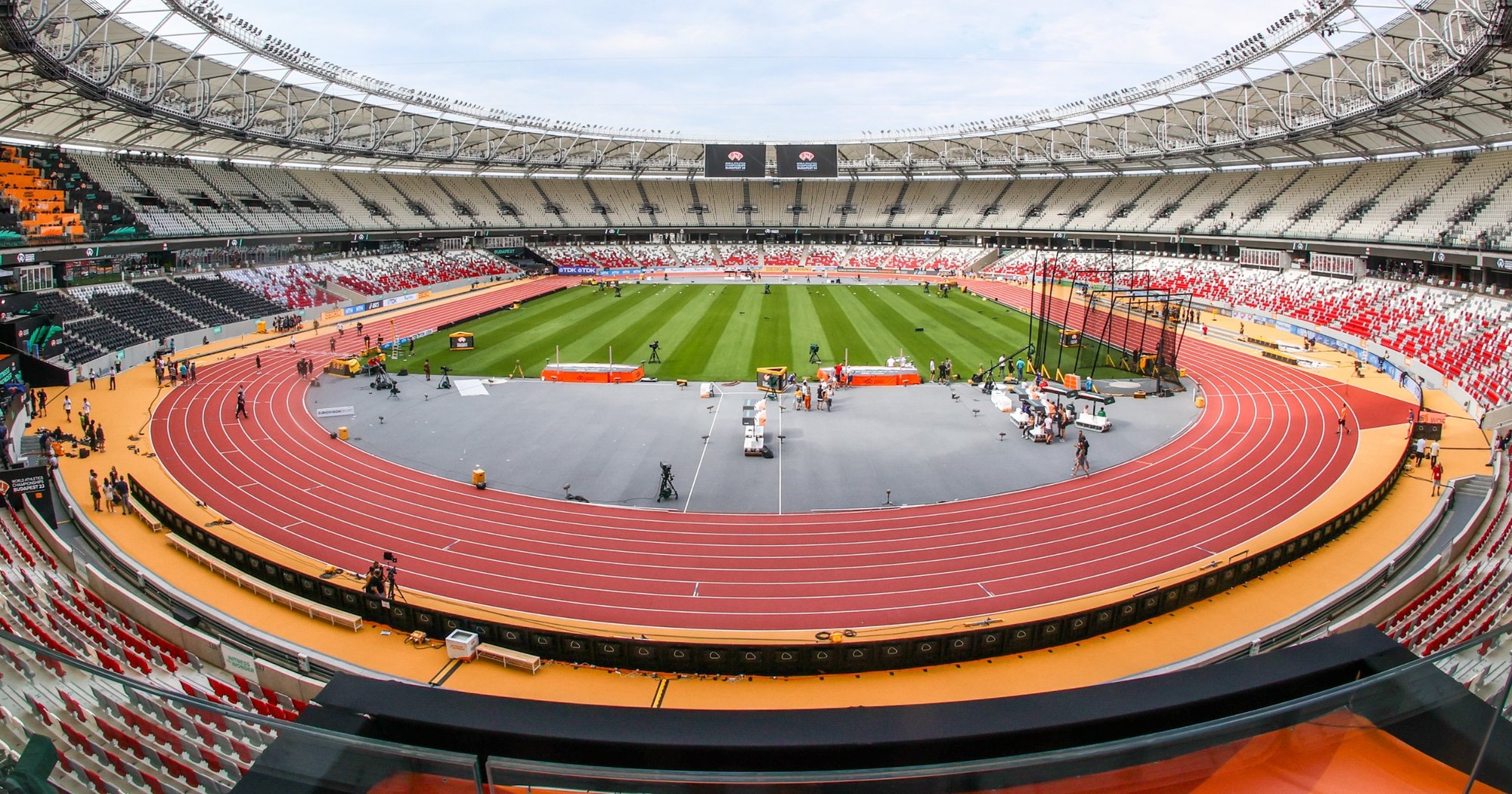
The Ultimate Championship runs September 11-13 at Budapest’s National Athletics Centre, and it’s built as an invitational rather than a traditional open championship. Track events cap out at 16 entrants, field events at eight – a small, curated field instead of a sprawling one. Reigning Olympic and World Champions get automatic slots, along with the winner of each event’s 2026 Diamond League final. Everyone else fills in based on world rankings from the past year.
Who’s actually racing
Limiting each event to a handful of athletes changes the entire feel of a competition. There’s no padding and no early-round matchups against athletes who have no real shot at a medal. Every race and every jump features someone who’s either an Olympic champion, a world champion, or ranked among the very best on the planet right now. It’s genuinely the fittest athletes in their respective events gathered in one place instead of spread across a season of smaller meets.
Three nights, packed full
Here’s the schedule. Day one opens Friday at 7 PM. It will have a mix of relay finals, hurdle semifinals, and the men’s 5000m final. Saturday shifts into high gear with the women’s 800m final, with both 100m finals and a run of field event finals layered in between.
Sunday closes things out with the 200m finals, both 1500m finals, and the women’s triple jump. It’s a dense schedule by design. Three nights instead of the usual week-long championship format is something most fans are not used to, so there’s already some excitement building up.
Why the format actually works
The tension is diluted in long formats. With a championship spread across a week, the excitement level drops, and the fans don’t anticipate events as excitingly as they do in a short format.
Fans wait days between the events they actually care about, and a lot of the field gets eliminated in rounds nobody outside serious track fans ever watches. Compressing everything into three nights with a stacked field does the opposite. Every session carries weight, and there’s no filler between the moments that matter.
Catching every session live
With races running across three consecutive nights, staying caught up means planning around the schedule rather than catching highlights the next morning. Evening start times in Budapest translate to mid-afternoon in the US. This actually works well for anyone trying to watch live without losing sleep over it. Getting a good night sleep stays realistic here in a way it wouldn’t with a European night session landing at 2 AM Eastern.
What’s actually on the line
Beyond the money, this event is really testing whether track and field can support a new kind of championship, one built around exclusivity and a big prize purse rather than mass participation.
If the format draws the audience World Athletics is hoping for, it’s not hard to imagine the Ultimate Championship becoming a fixture on the calendar every two years, sitting alongside the Olympics and World Championships as another marquee stop for the sport’s biggest names.
